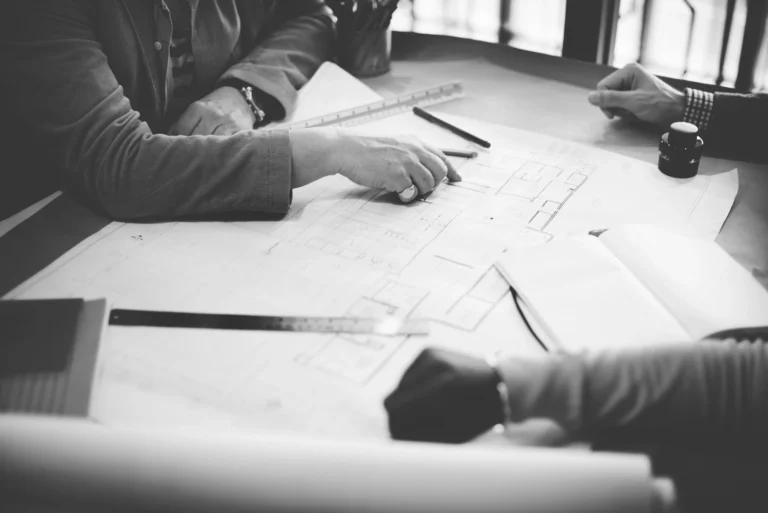
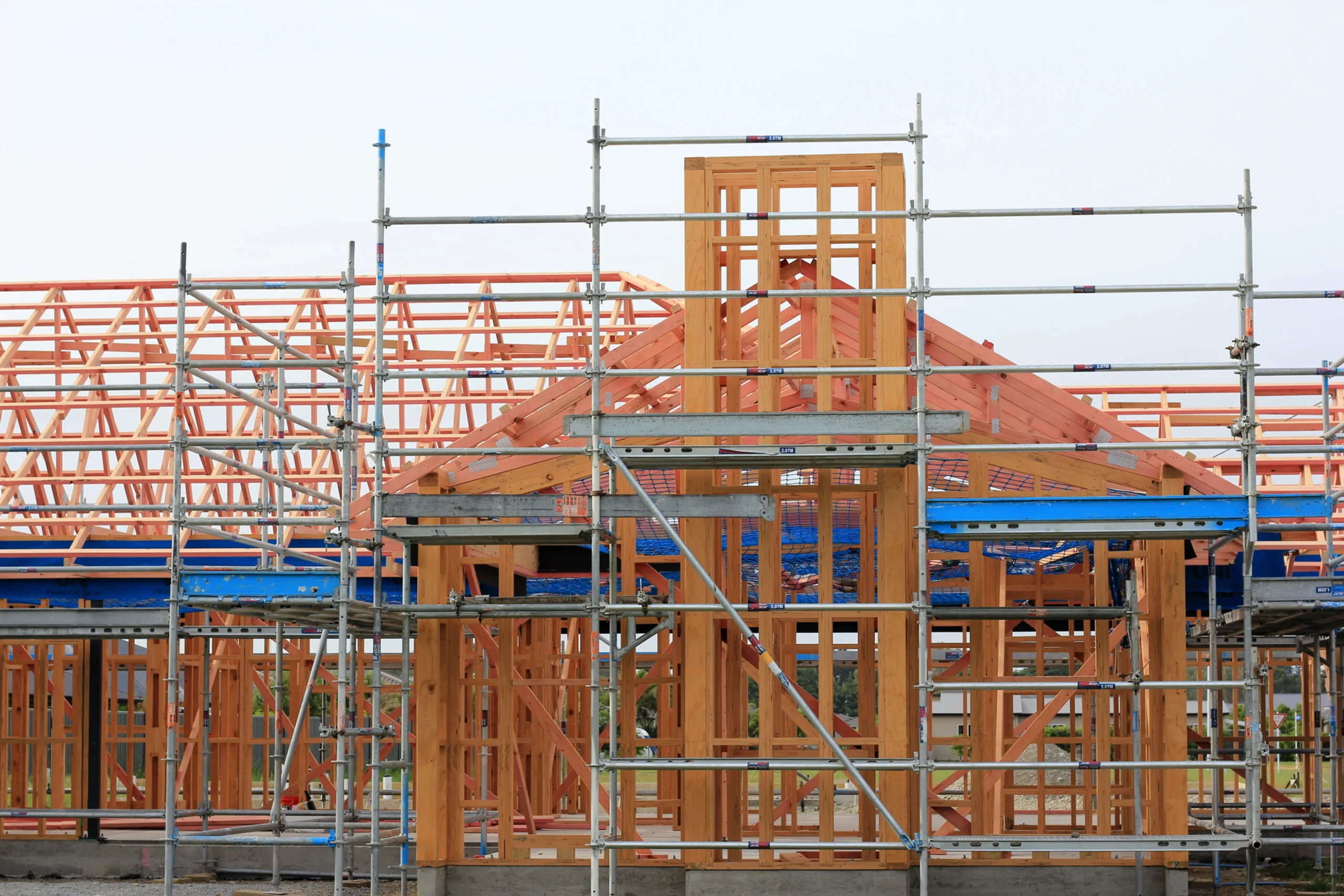
Five Ways We’re Saving Thousands by Planning Ahead

There’s a quiet truth in homebuilding: the cheapest decision is almost always the one you make early.
Not because early choices are easy—but because late changes are expensive. Framing gets redone. Trades get delayed. Small tweaks ripple into big invoices. We’re not eliminating costs. We’re shifting them—trading reactive spending for intentional decisions. Here are five ways that discipline is paying off in real time.

1. We’re Designing for How We’ll Live Later, Not Just Now
Most homes are designed for a moment in time. Ours needs to work for decades. That means thinking beyond today’s convenience and into future friction:
- Wider, intuitive paths of travel
- Storage where it will matter later, not just where it fits today
- Layout decisions that reduce unnecessary steps
- Spaces that accomodate our extended family; grandkids or grandparents
None of this dramatically increases cost upfront. But retrofitting it later would. Hallways can't widen themselves and storage doesn’t magically appear. And reworking circulation after drywall is a losing game. Planning for longevity isn’t indulgent—it’s efficient.
2. We’re Building in Structural Decisions That Are Expensive to Add Later
Some features look small on paper but are anything but once construction is underway. We’re identifying those early and making them part of the structure, not upgrades:
- A bump-out to properly accommodate a full-size refrigerator
- A built-in shower shelf instead of a future add-on
- Pocket doors where they pay off big in terms of function
- An extra-deep 2-car garage built to fit three, including our 1991 Mazda Miata (Since we only drive this a few months of the year, we'll pop it on casters and slide it toward the back of one side.)
These are the kinds of decisions that disappear into the framing stage when planned—and explode into costly rework when added later. If it touches structure, assume it’s expensive to change. Decide early or pay later.
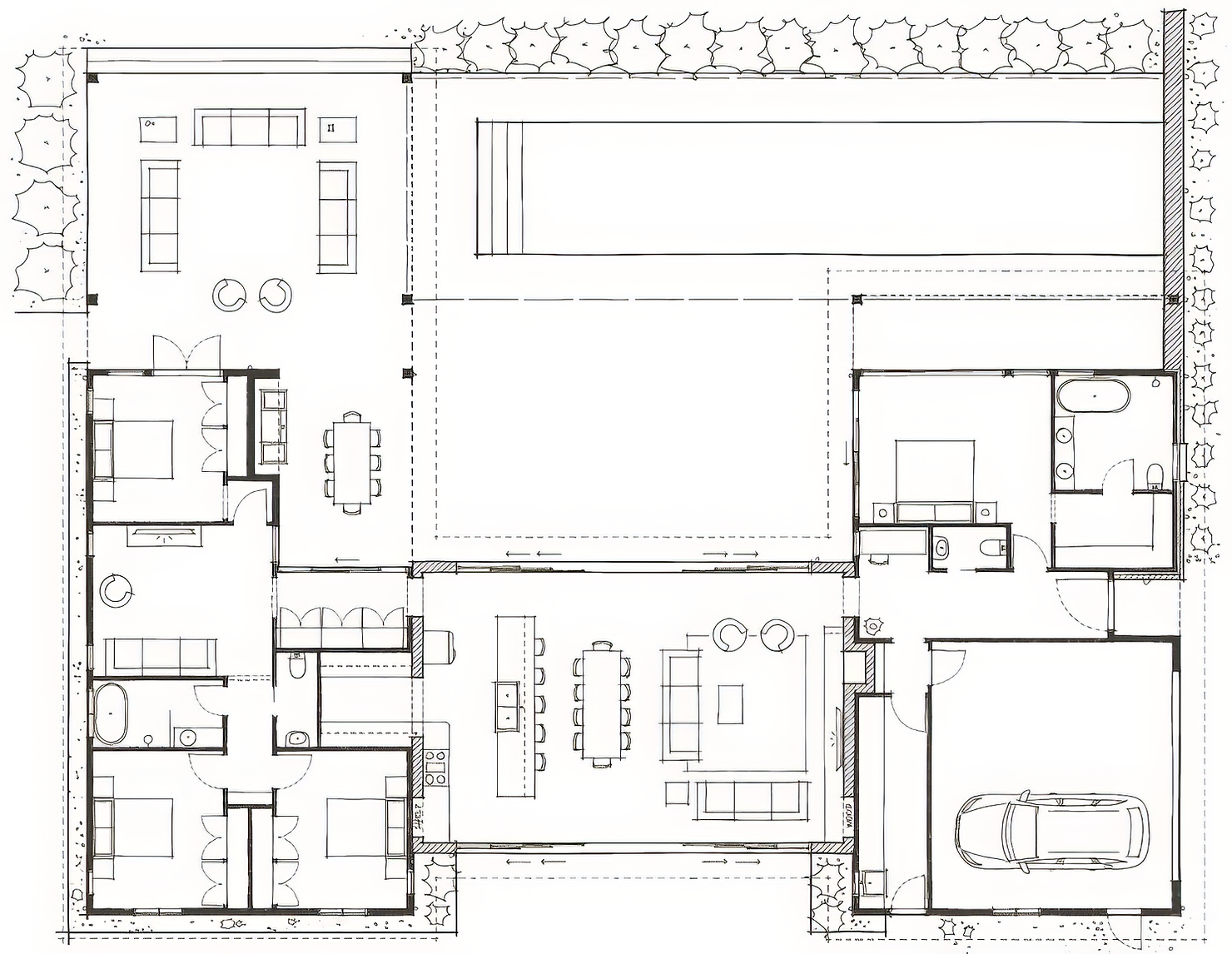
3. We’re Keeping the Footprint Simple (Almost a Rectangle)
Complex footprints look interesting on a plan. They also multiply cost in ways that aren’t obvious until bids come in. Every corner adds:
- Foundation complexity
- Framing labor
- Roofing transitions
- Potential for inefficiency and waste
We’re pushing toward a clean, simple shape—close to a rectangle. It may not be flashy, but it's efficient and you'll barely feel the difference inside. The result: fewer surprises, tighter construction, and money preserved for the details that really matter.

4. We’re Simplifying the Roofline
Rooflines are where design ambition quietly becomes budget pressure. Every pitch change, valley, and intersection:
- Increases labor
- Adds materials
- Creates more opportunities for future maintenance issues
We’re choosing restraint. A simpler roofline reduces cost upfront and lowers long-term risk. It also aligns with the overall design—clean, intentional, and not trying too hard.
Complexity is easy to draw. It’s expensive to build.
5. We’re Getting Clear on Non-Negotiables Before Pricing Starts
This is the lever that makes everything else work. Before numbers come in, we’re defining what matters most. Not a wish list—a short, firm set of priorities. Think natural stone, tons of casement windows, hardwood throughout, a big pantry and cook's kitchen. That clarity does two things:
- It protects what we value most
- It makes trade-offs fast and unemotional when costs surface
Without that, every decision becomes a debate. And debates during construction cost both time and money. Clarity isn’t just helpful. It’s a financial strategy.
The Through Line
None of these decisions make dramatic changes on their own. But together, they create something powerful: control. We’re avoiding redesigns, reducing complexity and as much as possible, making decisions once instead of twice. And that’s where the real savings live—not in cutting corners, but in removing chaos.
Plan early. Decide clearly. Build once.