The Decisions That Made Our Home Plan More Affordable (Without Sacrificing What Matters)

There’s a version of building a home where you start designing… and only think about cost later. Or maybe you're so lucky you don't have to think about costs at all.
This isn't our experience. From the beginning, we knew one thing: if we didn’t make smart decisions early, we’d end up compromising on the things we really cared about later. So instead of designing first and cutting back later, we flipped it. We made intentional, less expensive choices upfront—so we could confidently invest in the parts of the home that really matter to us.
Starting With a Clear Tradeoff
Every home build is a series of tradeoffs. The mistake most people make is treating every decision like it’s equally important. It’s not. Some things are foundational and expensive to change later. Others are nice, but not necessary. We got clear early on our non-negotiables and where we were willing to simplify. That clarity shaped everything that followed.
1. A Simple Roofline
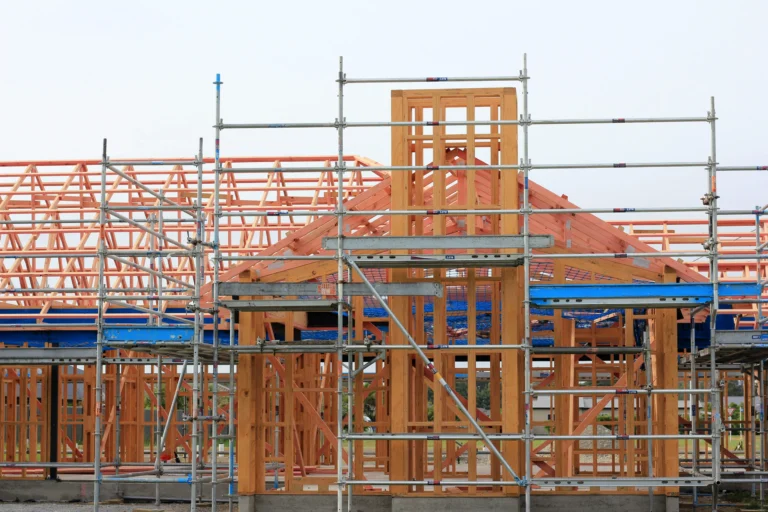
Rooflines are one of those things you don’t think about—until you realize how quickly they add cost.
Multiple peaks, angles, and transitions might look interesting on paper, but they:
- Increase material costs
- Add labor complexity
- Create more opportunities for long-term maintenance issues
We chose a simpler roofline. It’s cleaner, more timeless—and significantly more cost-effective. This is a decision that quietly saves money without changing how the home lives day to day.
2. Keeping the Footprint Close to a Rectangle
Corners cost money. Every bump-out, inset, or jog in your home’s footprint adds:
- Foundation complexity
- Framing cost
- Roofing complications
So we kept our layout as close to a clean rectangle as possible. That doesn’t mean the house feels like a box. It means we were thoughtful about where complexity actually adds value—and where it doesn’t. The result: a layout that feels intentional, but is far more efficient to build.
3. 9-Foot Ceilings Instead of 10
Ceiling height is one of those decisions that feels like it should always go bigger. But here’s what comes with that extra foot:
- More materials
- Higher labor costs
- Increased heating and cooling needs
- Adjustments to windows, doors, and cabinetry
We chose 9-foot ceilings for most of the home. And honestly? We think they'll feel exactly right. This is one of those areas where the difference in cost is real—but the difference in everyday experience is much smaller than you’d expect.
4. One Full Guest Bath (Not More)
It’s easy to keep adding bathrooms “just in case.” But every additional bathroom brings:
- Plumbing costs
- Fixtures
- Tile work
- Ongoing maintenance
We stepped back and asked: How often will we realistically need this? As empty nesters, our answer was clear. We designed one full bath for guests—well-placed and fully functional—instead of spreading resources across multiple spaces. It does the job without overbuilding.
5. An Extra-Deep 2-Car Garage Instead of a 3-Car
Garages are another area where it’s easy to go bigger by default. We considered a 3-car garage. It’s common. It’s convenient. We have 3 cars and didn't want to give it up. But it also:
- Adds significant square footage
- Increases foundation and framing costs
- Impacts the overall footprint of the home
Instead, we chose an extra-deep 2-car garage. This gave us:
- Functional storage
- Flexibility for everyday use
Incidentally, our third car is a 1991 Mazda Miata that only hits the roads from May through October. It's super tiny. We measured it all out and with an extra deep end, we will be able to pop it on to casters and slide it into the back corner and voila! A 3-car garage for the price of a 2-car!
What These Decisions Made Possible
None of these choices were about cutting corners. They were about creating room in the budget for the things we care about most.
Because every dollar not spent on:
- Extra roof complexity
- Unnecessary square footage
- Features we won’t fully use
Is a dollar we can put toward:
- Materials we love (like quartzite countertops and a cable railing system on the deck to maximize the view)
- Finishes that last
- Spaces we’ll use every day
The Bigger Lesson
If there’s one thing we’ve learned so far, it’s this:
Affordability in a custom home isn’t about saying no. It’s about saying yes—more intentionally.
The earlier you make those decisions, the more control you have. And the less likely you are to end up scaling back the things that actually matter. We’re still in the process, still making decisions, still learning as we go. But starting with this mindset—simplify where it doesn’t matter, invest where it does—has shaped our home in ways that feel both practical and personal.
And ultimately, that’s the goal.