Black vs. White Interior Windows: The Decision That Frames Everything

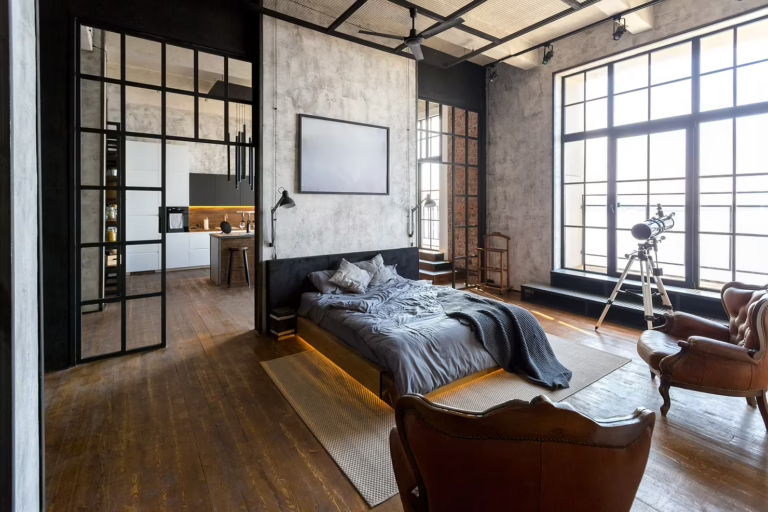
We landed on black interior windows. Not because they’re trendy. Because they do real work. They frame. They ground. They connect. And in a home that leans organic, layered, and neutral—contrast isn’t decoration. It’s structure. Let’s break down how to think about it.
Why We Chose Black
1. They Turn Views Into Art
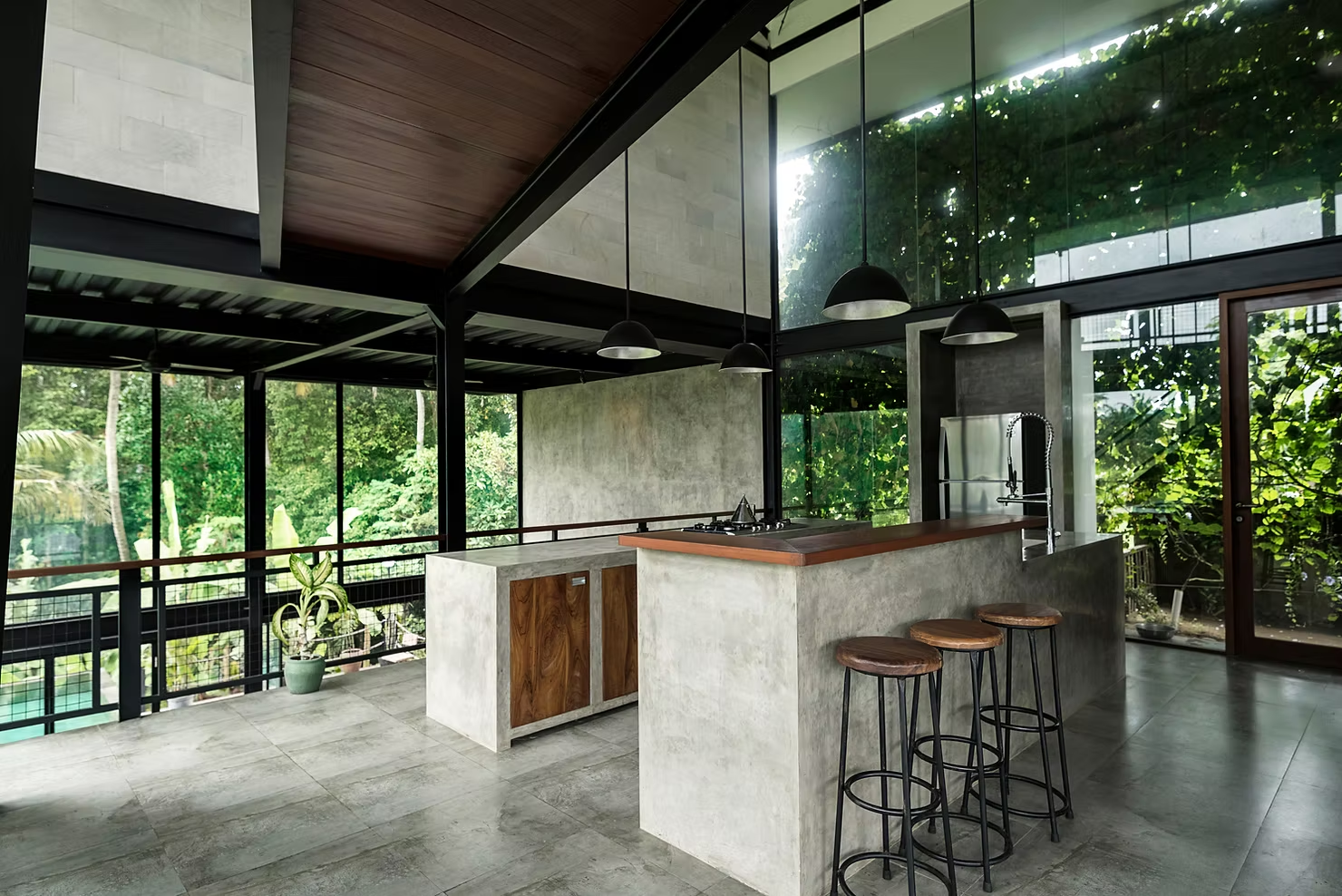
Our property is the show. Trees, light, movement, seasons doing their thing. Black windows act like a picture frame with clean edges and defined boundaries. Your eye knows exactly where to look. While white windows tend to blend in, black windows say: look here. If your view is worth noticing, black makes it undeniable.
2. They Add Contrast Without Clutter
Neutral homes – which is what we are building – can drift. Beige on oak on stone on linen—it's beautiful, but it can go soft if nothing anchors it. For us at Five Trails, black windows will sharpen the whole palette with crisp lines that keep everything from floating away.
3. They Tie the House Together
We’re carrying black into:
- Great room built-ins
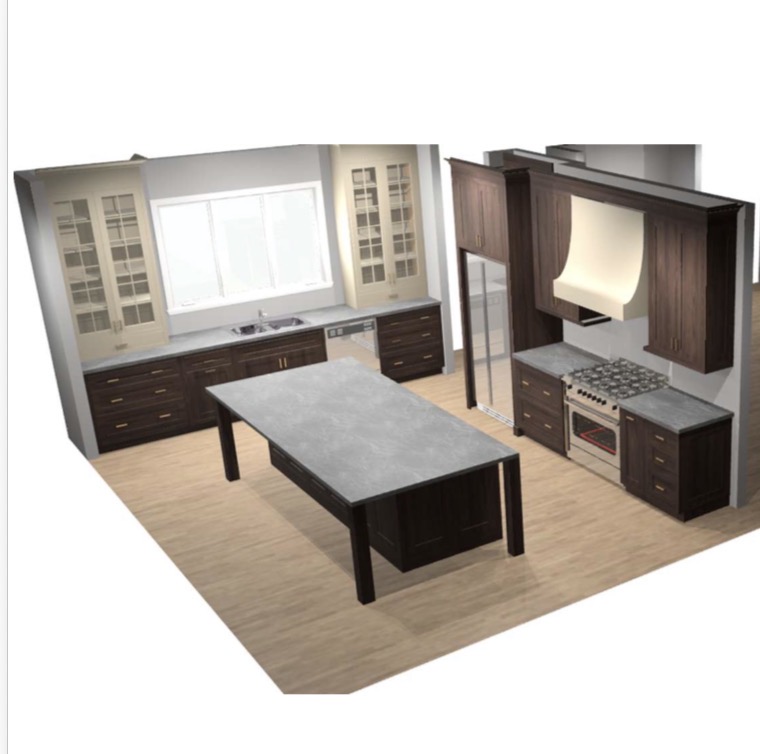
- Pantry cabinetry
- Bar area
The windows become part of that rhythm. Not a one-off. Not a trend but a thread. I'm learning how design works when elements talk to each other. Black windows give us a throughline.
4. They Feel Intentional (and New to Us)
Sometimes the right choice is also the one you haven’t lived with before. White windows felt safe. Clean. Classic. Black felt like an exciting new choice. A new point of view. And in a custom build, you want a few of those.
When White Windows Win
Let’s not pretend black is always the hero. White windows still carry a lot of weight—and in the right house, they’re exactly right. Choose white if you want:

1. A Softer, Airier Feel
White disappears into white walls. That’s the point. It keeps things light, especially in smaller rooms or lower-light spaces.
2. A More Traditional or Coastal Look
There’s a reason white windows are everywhere in classic design. They don’t compete. They support the architecture instead of defining it.
3. Less Visual Contrast
If your home already has a lot going on—pattern, color, texture—black windows can feel like one voice too many. White steps back so the other elements can shine.
4. Lower Maintenance Visibility
Dust, fingerprints, water spots—black shows it faster. White is more forgiving in everyday life.
The Real Decision Framework
Skip the trend cycle. Use this instead:
1. What’s the star—your view or your walls?
- Incredible outdoor views → Black
- Interior design takes center stage → White
2. Do you need contrast or calm?
- Neutral palette that needs definition → Black
- Already layered or busy → White
3. Are you repeating the choice elsewhere?
- Other black elements planned → Black connects
- No black anywhere → White keeps it cohesive
4. How do you want the room to feel at first glance?
- Framed, architectural, intentional → Black
- Seamless, soft, understated → White
A Practical Note Most People Miss
Stand in your future room (or as close as you can get).
Now imagine:
- Every window outlined in black
- Every window disappearing into white
Which one do you notice more? Now ask the better question: do you want to? That answer usually settles it.
Where We Landed
Black windows gave us structure, contrast, and continuity. The hope is that they'll turn our views into focal points. They'll echoed the cabinetry decisions already in motion. And they'll add just enough edge to keep a neutral home from feeling too polite. White would have been beautiful. Black felt like ours. Design isn’t about picking the “right” option. It’s about choosing the one that makes the rest of your decisions make more sense. So excited to see this particular decision come to life.

Note: We are building with MI V300 Series 9770 Casement Windows in black.