Storage and Moving Decisions We’re Making Before Our Custom Home Build to Make Life Easier Later
Affiliate Disclosure: This post may contain affiliate links. If you purchase through these links, we may earn a small commission at no extra cost to you. We only share products we genuinely like, use, or would choose for our own build.
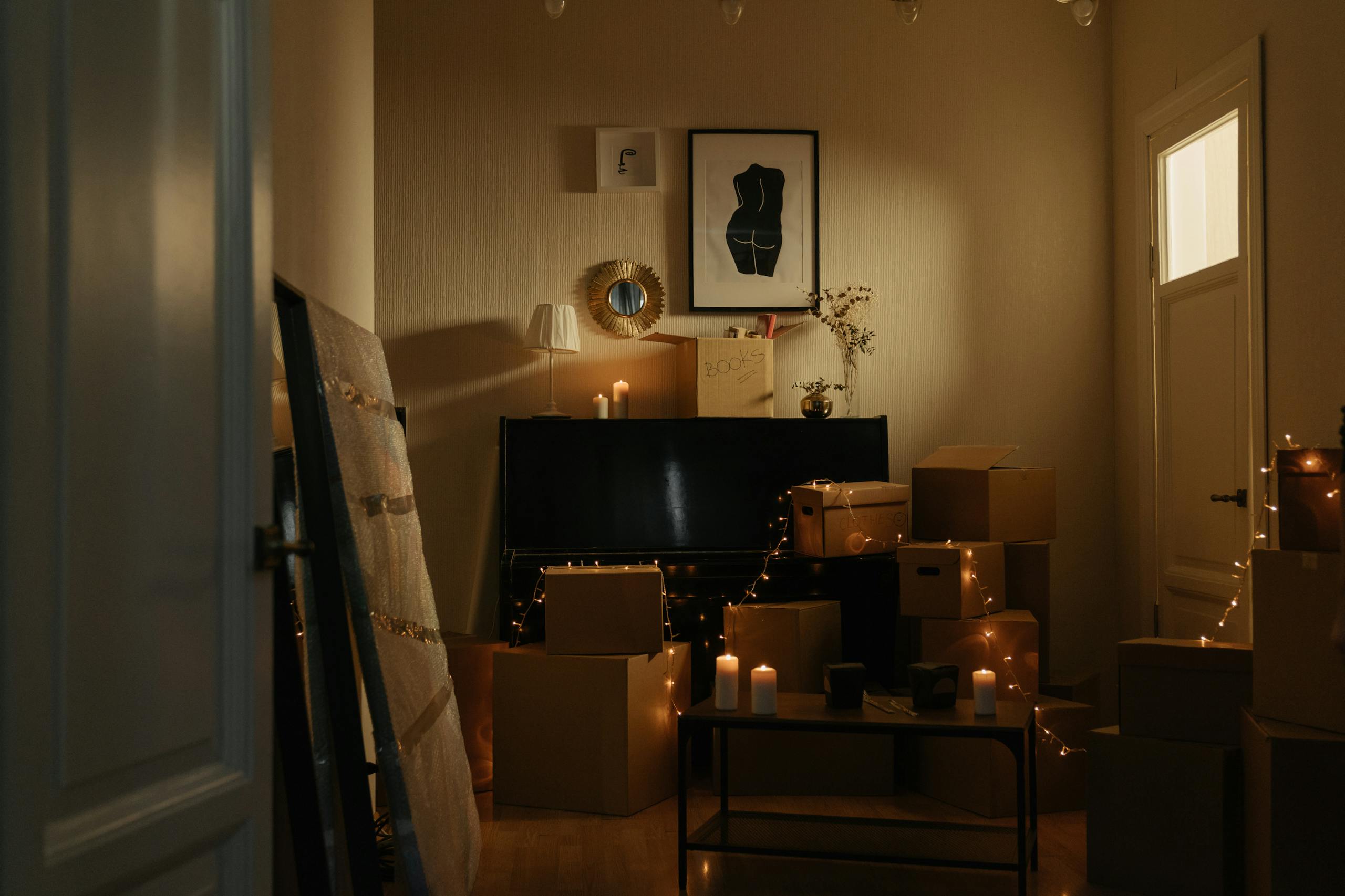
Preparing to move while building a custom home creates a specific kind of chaos as you begin the arduous process of making endless storage and moving decisions. Every room becomes a sorting station. Every cabinet cleanout becomes a decision. Somewhere between builder meetings and packing tape, you realize you're not simply relocating your belongings — you are deciding what deserves a place in your next chapter.
This move feels completely different than the ones we made earlier in life. In our twenties and thirties, moving was logistical. We packed everything because we owned it, loaded it into a truck, and unpacked it somewhere else. If something survived one move, it automatically came to the next house too.
This time, the process feels far more intentional.
As we prepare for life at Five Trails, we are thinking carefully about how we want our home to function, how we want our days to feel, and what truly supports this stage of life. That mindset has changed not only how we are designing the new house, but also how we are approaching storage, decluttering, and the surprisingly emotional process of letting things go.

We’re No Longer Moving Things Out of Habit
One of the biggest mindset shifts during this process has been realizing how much of adult life is spent carrying things forward simply because we already own them. Over time, possessions accumulate quietly and efficiently. Books multiply. Kitchen gadgets take over cabinets. Decorative items survive multiple moves despite never quite fitting anywhere.
This move has forced us to evaluate everything more honestly.
Instead of asking, “Could we use this someday?” we are asking, “Does this support the life we are intentionally building?” That question changes everything. Furniture that technically works but no longer fits our style becomes easier to release. Boxes stored for years without being opened suddenly feel less important. Entire categories of “just in case” items lose their urgency.
The more thoughtfully we design Five Trails, the less interested we become in filling it with excess. We are not building a larger house simply to store more things. We are building a smaller home designed around calm, function, beauty, and ease.
And it should go without saying that storage costs money. Storing outdated versions of yourself costs even more.
Selling Early Means Living in the Middle for a While
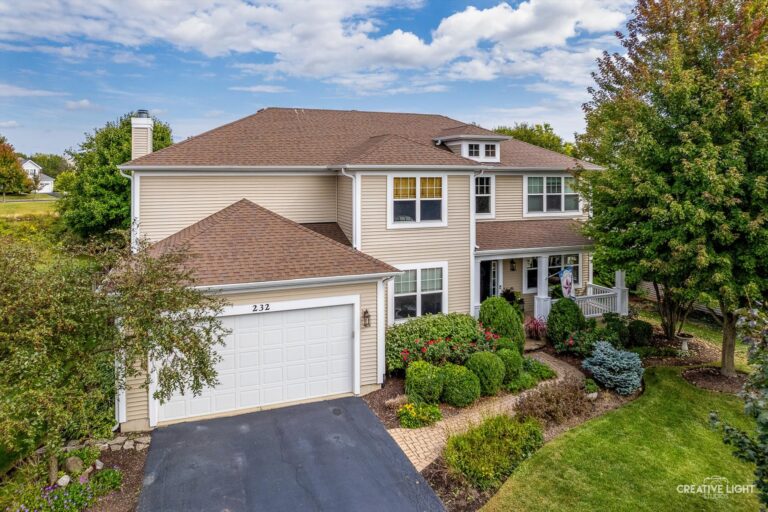
One of the biggest strategic decisions we made was listing our current home early so we would not risk carrying two mortgages during the build process. Financially, it felt like the right choice. Construction timelines can shift quickly – I mean, we're already two months late in breaking ground – and we wanted flexibility instead of unnecessary financial pressure.
But every practical decision creates a corresponding lifestyle reality.
Selling early means there will be a significant gap between leaving this house and moving into Five Trails. For the next several months, we will be living with family at a lakehouse while construction continues. That temporary season changes the entire approach to packing and storage.
Instead of only asking, “What are we taking to the new house?” we are also asking, “What will we realistically need access to over the next five or six months?”
That question becomes more complicated when temporary living spans summer, fall, and early winter weather. Suddenly, we need warm-weather clothing, cold-weather layers, transitional items, and enough flexibility for everyday life without access to most of our belongings.
At the same time, normal responsibilities continue. I have two weeklong business trips during this temporary stretch, which means I need more than casual lake clothes and work-from-home basics. Professional outfits, travel essentials, and presentation-ready clothing all need to remain accessible while much of our life sits in storage. Planning this months in advance? Totally overwhelming and causing me to think about packing entirely differently.
Instead of organizing by room, I am organizing by season, function, and accessibility. Some things are heading directly into long-term storage because we know we will not need them before the house is complete. Other items need to remain close because retrieving them later would create unnecessary stress.
Temporary living requires an extraordinary amount of foresight. You are constantly trying to anticipate future versions of yourself — future weather, future work demands, future routines — while also trying to keep daily life manageable in the present.
We’re Using Storage Intentionally Instead of Emotionally
Temporary storage is unavoidable during a custom build, but we knew early on that we did not want storage units to become permanent holding places for unresolved decisions. We have all seen units packed with boxes untouched for years, preserving belongings nobody actually wants but nobody feels ready to confront either.
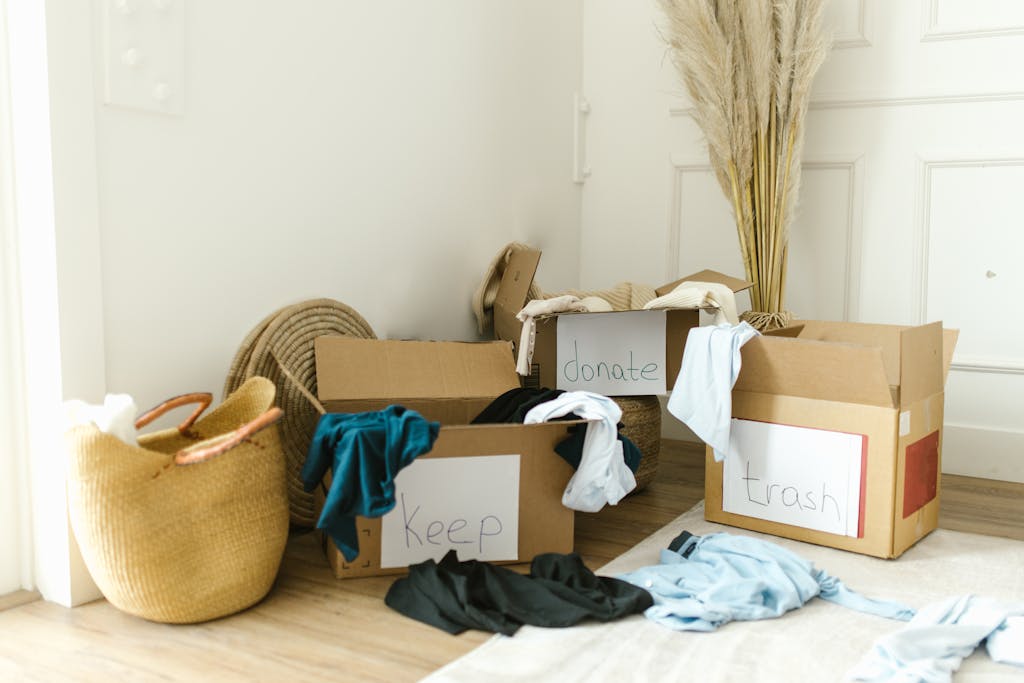
So we created clear categories for what stays, what goes into storage, what gets sold, and what gets donated.
The items going into storage are things we already know we want in the new house: sentimental items, furniture selected for specific spaces, seasonal decor we genuinely use, and practical items we would otherwise repurchase later. The harder decisions involve the “maybe” items — the inherited furniture with no destination, the backup appliances, the boxes labeled miscellaneous that somehow survive every move.
A surprising amount of adulthood is simply transporting guilt between houses.
This process has pushed us to be more honest about what genuinely supports our lives and what simply occupies space.
We’re Prioritizing Simplicity Over Maximum Profit
One lesson that becomes increasingly clear during midlife moves is that convenience has value. Time has value. Mental bandwidth has enormous value.
Could we individually list hundreds of books or clothing items online? Probably. But we do not want this move to become a second full-time job. Instead, we are focusing on systems that simplify the process without draining all our energy in the process.
For books, we are primarily donating. For clothing, we are separating higher-end pieces for sale on Poshmark while donating the majority. For furniture and household items, we are continuing to use Facebook Marketplace because local larger items still move quickly there. Anything that doesn't sell will be donated to a local nonprofit that supports people in recovery.
We're trying to keep costs down, but the goal is not squeezing every possible dollar out of every object. The goal is entering the next chapter lighter.
Packing Early Has Revealed What Actually Matters
One unexpected benefit of packing early is how quickly you learn what truly contributes to daily life. Some things disappear into boxes and are never thought about again. Others suddenly become very important the moment they are unavailable.
Favorite coffee mugs. Comfortable blankets. Lamps that make a room feel warm instead of harsh. Granddad's black chair and my pottery collection.
Meanwhile, countless other things quietly prove their irrelevance. Nobody has urgently searched for backup holiday serving platters or random decorative accessories packed weeks ago.
The process becomes less about minimalism and more about clarity. We are learning what supports our routines, what creates comfort, and what simply occupied space. I feel another round of purging coming at move-in time, too.
That distinction matters more than I expected.
We’re Investing in Better Moving and Storage Systems
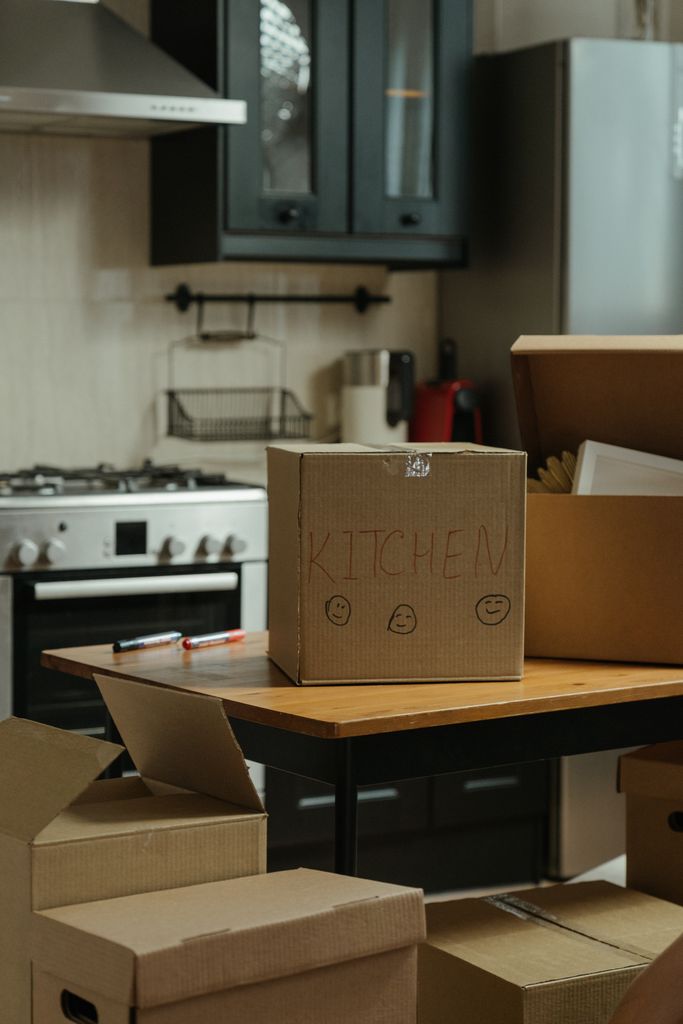
One area where we are intentionally spending money is organization. Cheap moving supplies have a remarkable ability to create chaos at the worst possible moment, so we are investing in durable bins, weatherproof storage containers, quality packing tape, mattress bags, and clear labeling systems that will make unpacking dramatically easier later. I have some tape dispensers bought at a very well known supplier that are literally driving me insane. Pro tip: spend a little more to buy what works best!
These are some of the moving and organization products we’re using or considering:
- Bankers Box Heavy Duty Moving Boxes
- Rubbermaid Storage Bins
- Duck Heavy Duty Packing Tape
- 600 pc. Moving Labels
- Vacuum Storage Bags for Linens and Clothing
Boxes purchased at that same well known retailer have handles that rip anytime their used. Reuse old boxes, collect them from neighbors and read reviews to minimize waste, expense and frustration.
This Process Is Changing How We Think About Home
Going through every closet, cabinet, and storage area has changed how we think about the new house entirely. We are prioritizing functional pantry storage, purposeful built-ins, practical mudroom organization, and spaces designed around how we actually live rather than how homes are traditionally staged.
At the same time, we are trying to resist the temptation to create endless storage simply because we can. More storage does not automatically create more peace. Often, it simply creates more opportunities to keep things unnecessarily. I really don't want to do that again.
At its core, this process feels bigger than logistics. It feels like a filtering process. A careful evaluation of what still belongs in our lives and what quietly belongs to another chapter.
The older I get, the less interested I am in curating a life that looks good from the outside. I care much more about building a life that feels peaceful, functional, and deeply aligned with who we are and what we need now.